Sustainability
Championing Museums in Cultural Policy and Sustainable Development: ICOM at the UCLG Culture Summit and Mondiacult
ICOM was present in Barcelona for the UCLG Culture Summit and the Mondiacult World Conference on Cultural Policies and Sustainable Development.
The conference focused on six priority areas, namely, Cultural Rights, Digital Technologies in the Culture Sector, Culture and Education, Economy of Culture, Culture and Climate Action, Culture, Heritage and Crisis, and the two focus areas: Culture for Peace and Artificial Intelligence and Culture.
These events were an opportunity for ICOM to participate in the discussions around shaping cultural policies in these areas, not only to address our current needs, but also policies that will serve future generations.
ICOM was officially represented at the event by its Director General, Medea S. Ekner, the Head of Museums and Society, Capacity Building, William Gamboa Sierra, and the Museums and Society Coordinator, Rachelle Kalee, and supported by the global ICOM membership and the ICOM Secretariat.
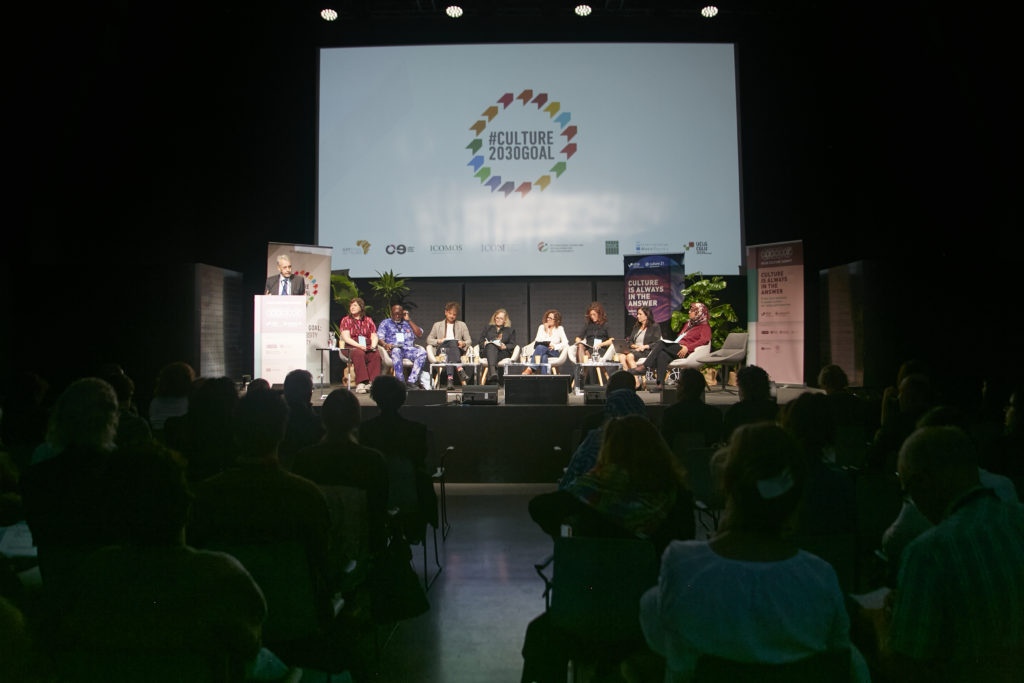
UCLG Culture Summit – 27 September
The UCLG Culture Summit is a high-level session with cities and local governments devoted to conveying the collective’s key messages to UNESCO for Mondiacult 2025.
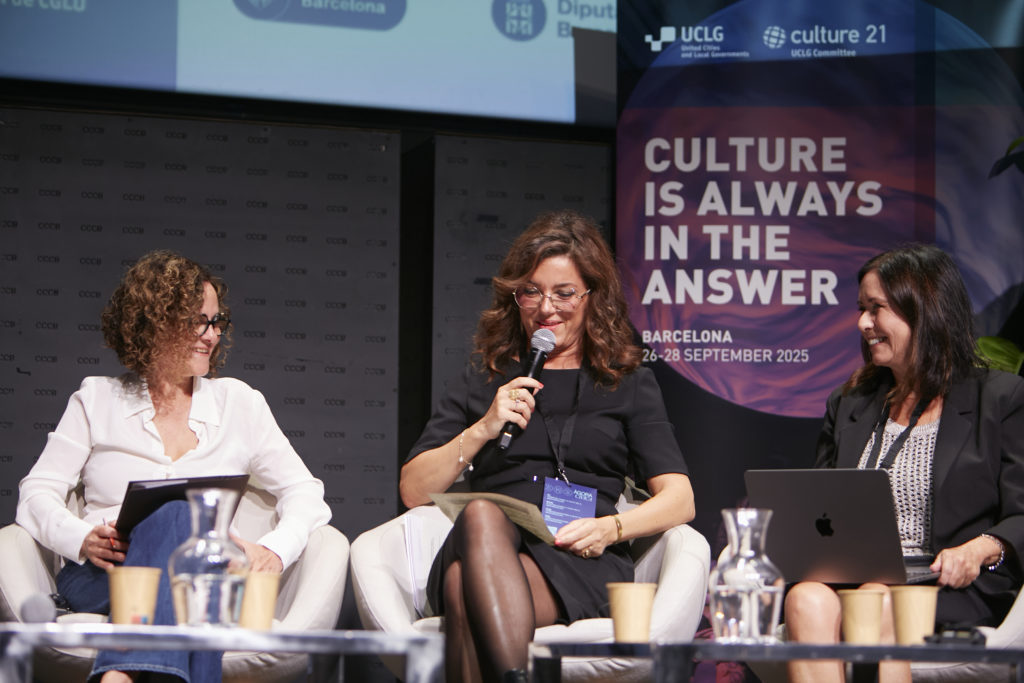
Session: “Why We Need a Culture Goal now”
As a member of the Steering Group of the Culture2030 Campaign, ICOM was pleased to be part of the launch of the “Version 1 of a Culture Goal”, which presents a proposal of its targets and indicators. The document affirms “that in a future development SDGs framework to be decided by Member States through the United Nations mechanisms, culture should be considered as a standalone goal in its own right”.
The ICOM Director General, Medea S. Ekner highlighted one aspect of the proposal that aligns with its current focus, a dedicated target that calls for the promotion of a culture of peace, non-violence, global citizenship, and the appreciation of cultural and biological diversity, and which would guide governments and policymakers to integrate cultural perspectives into peacebuilding frameworks.
By incorporating peace into the Culture Goal, museums and the cultural sector can enhance their advocacy efforts nationally and internationally, promoting the recognition of cultural institutions.
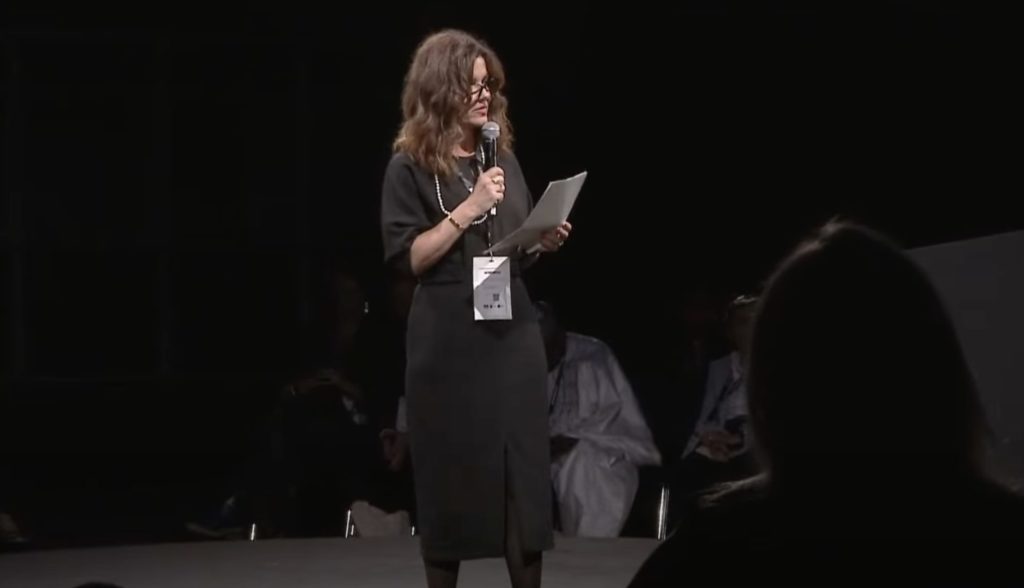
Medea S. Ekner, ICOM Director General.
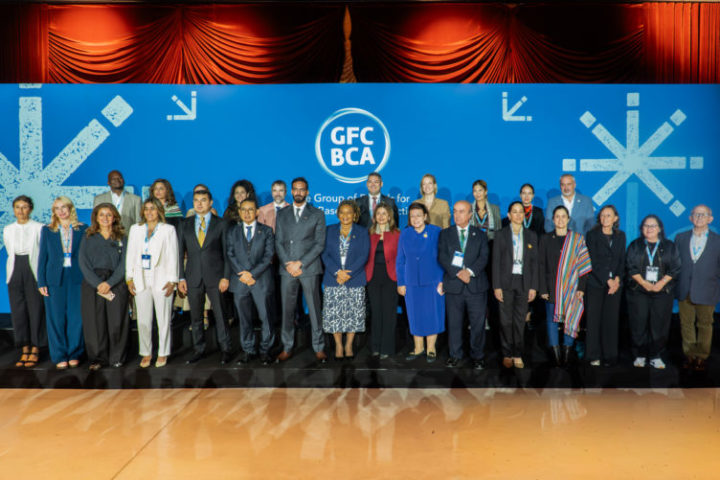
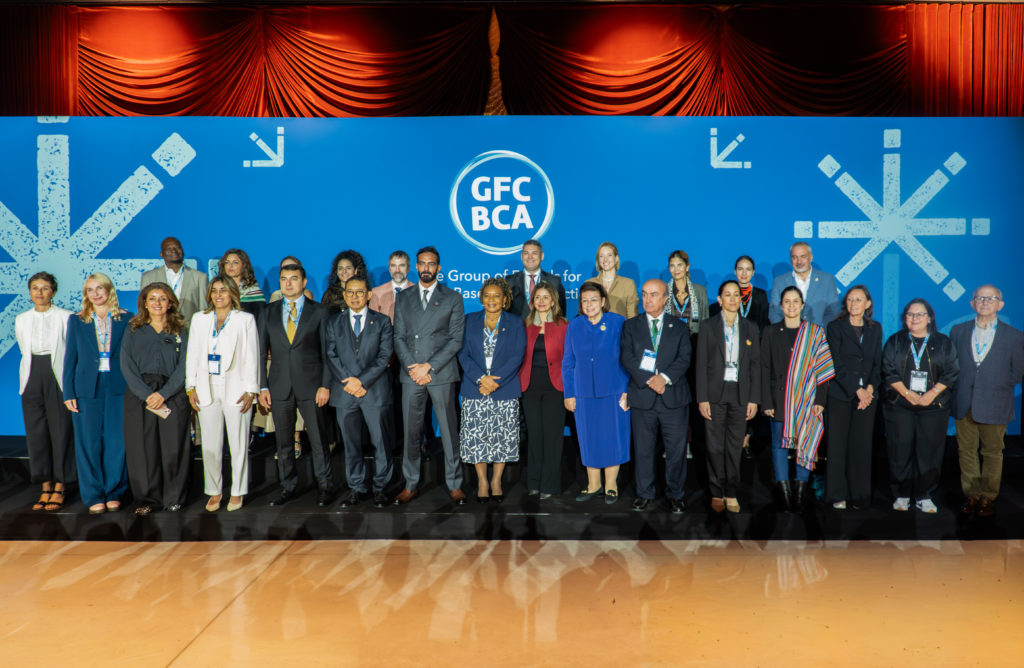
Adoption of the Barcelona Declaration of the Group of Friends for Culture-based Climate Action – 28 September
Representatives of the Group of Friends for Culture-Based Climate Action took the opportunity of the Conference to convene for its 3rd High-level Ministerial Dialogue. The meeting was marked by the adoption of the Barcelona Declaration, which calls for, amongst other commitments, the development of concrete pathways for the integration of culture in adaptation and mitigation strategies, the advancement of knowledge development and exchange in the culture climate nexus, and the mobilisation of advocacy efforts at national and international levels. ICOM is Knowledge Partner at the Group of Friends and active driver of culture based climate action advocacy on national and international levels.
In her speech, the Director General reaffirmed ICOM’s commitment to advancing culture’s role in global climate negotiations but also stressed how museums support community-led initiatives while strengthening national-level advocacy through guidelines and follow-up with its committees. Looking ahead to COP30, ICOM emphasised its determination to amplify culture-based climate solutions at both national and international levels, fostering collective action for a sustainable future.
We are convinced that the museum and cultural sector can provide evidence demonstrating the capacity of culture to influence climate policy and implementation. As we approach COP30, we look forward to advancing our initiatives at both national and international levels, in the spirit of mutirão (collective engagement). Medea S. Ekner, ICOM Director General.
On this occasion, UNESCO also published a thematic paper on Culture and Climate Action. The paper features ICOM’s contributions, following the participation of the ICOM Director General at the UNESCO Reflection meeting on Culture and Climate Action held in March 2025.
Members of the Group of Friends for Culture-Based Climate Action
Mondiacult
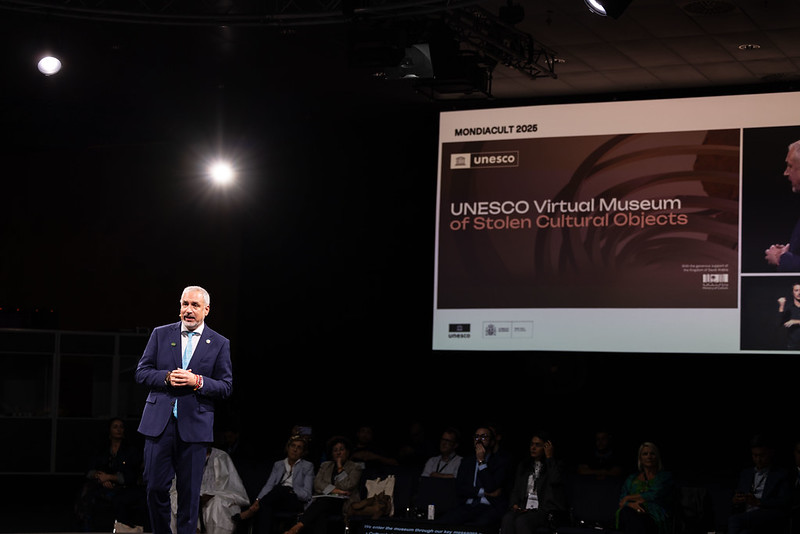
On the 29th of September, UNESCO launched the Virtual Museum of Stolen Cultural Objects. ICOM’s Director General was present as a speaker at the event and highlighted the importance of adapting and embracing emerging technologies to raise awareness and support the recovery of stolen cultural objects. She also reaffirmed ICOM’s commitment to fighting the illicit trafficking of cultural heritage and thus protecting the history, heritage, and identity of communities around the world.
“Trafficking and destruction of cultural heritage are not isolated crimes; they represent a global, technology-driven threat that fuels conflict and undermines the very fabric of societies. It is our responsibility to adapt and embrace emerging technologies to raise awareness and support the recovery of stolen cultural objects.”
The Virtual Museum offers a unique platform to educate, collaborate, and mobilise action against the trafficking of cultural objects. ICOM emphasised that through global partnerships, we can effectively safeguard cultural heritage for future generations.
The MondiacultConferencetookplace from 29 September to 1 October. You can view the recordings on the Mondiacult website.
UNESCO Assistant Director-General for Culture Ernesto R. Ottone at the launch of the UNESCO Virtual Museum of stolen Cultural Objects.ICOM Director General Medea S. Ekner at the UNESCO Virtual Museum of Stolen Cultural Objects.
What next?
After its successful participation at Mondiacult again this year, ICOM looks forward to building on this momentum to pursue its efforts in informing policymakers on the work of museums in enhancing cultural rights, protecting cultural heritage, fostering a culture of peace, and contributing to climate mitigation, adaptation, and resilience. The Conference was also an opportunity for ICOM to strengthen existing relationships and connect with international and intergovernmental organisations, as well as policymakers. Building on these achievements, ICOM remains committed to amplifying the voice of museums worldwide and continuing our global advocacy.