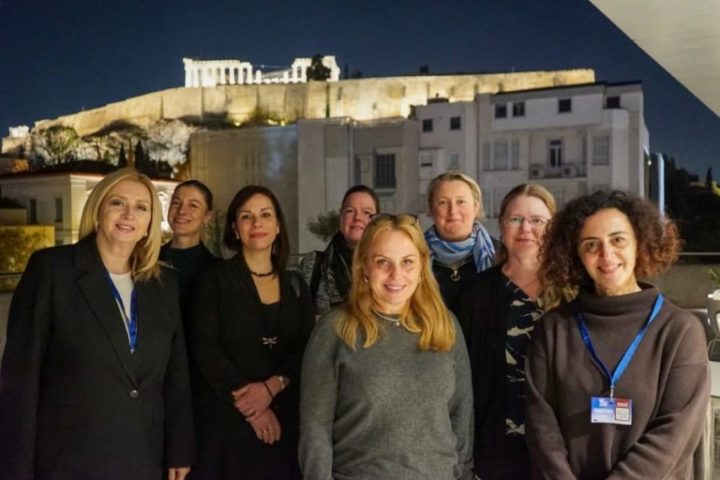
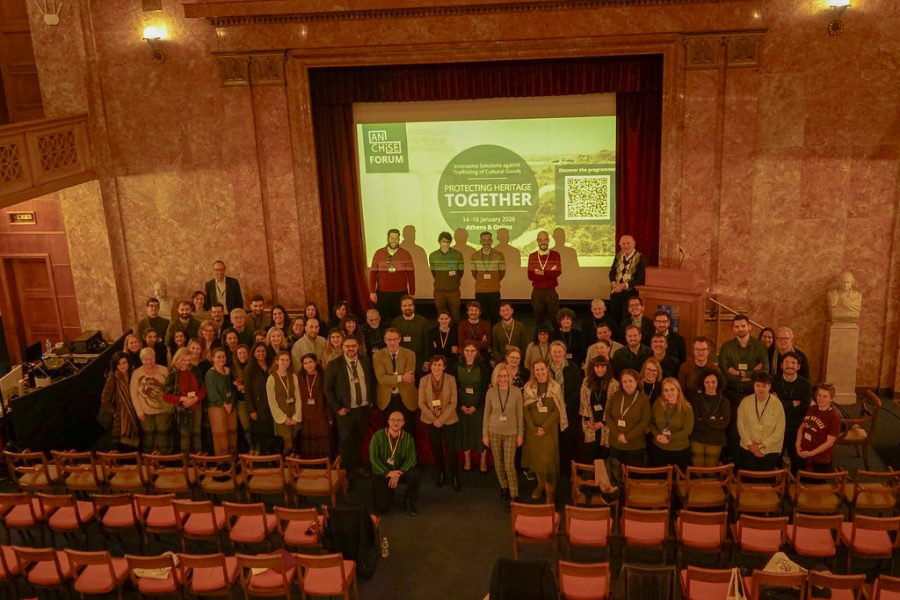
Before the conclusion of the project on 31 January 2026 and final reporting in March, a final event was organised at the Archaeological Society at Athens, from 14 to 16 January 2026: the ANCHISE Final Forum.
Cover image © ANCHISE
This event was an opportunity to look at the project’s main achievements as well as its legacy, as ANCHISE actions were always planned with the aim of having long standing results. ICOM, as consortium partner, has been actively involved throughout the project, from its early stages in February 2023 to its conclusion, three years later, contributing to demonstrations, discussions, and publications. This article presents the project from ICOM’s perspective and gives a voice to its members, to share their experiences and insights on the project.
The ANCHISE Final Forum: a collective reflection on achievements and legacy
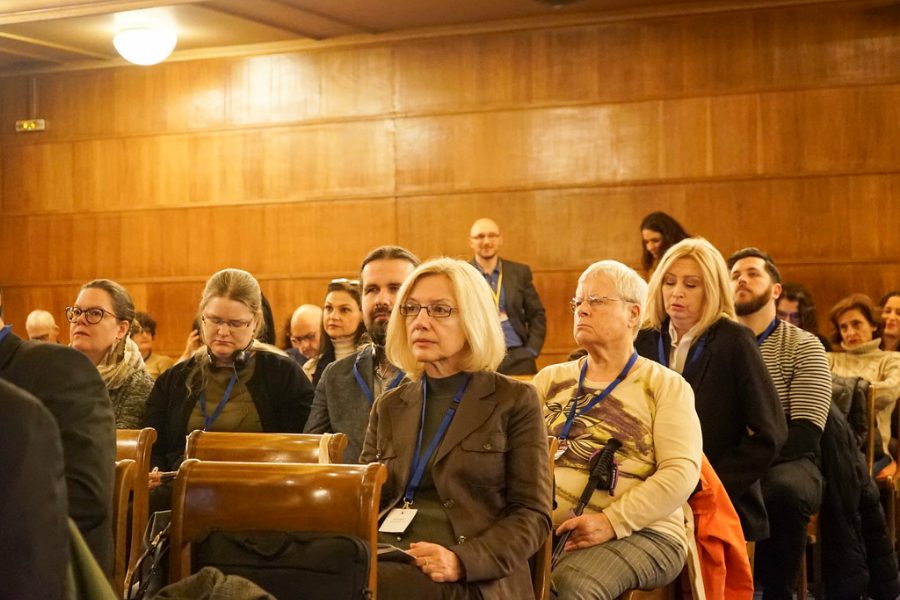
The ANCHISE Final Forum brought together a wide range of stakeholders, representative of the ANCHISE community and its collaborative spirit. Over three days, this event fostered interdisciplinary discussions addressing the main challenges, achievements and future opportunities shared by the professional communities involved in the project. While the first day focused primarily on the technological tools developed within ANCHISE and on users’ experiences, the second day explored issues related to data management, while the final day was dedicated to the project’s legacy, with particular attention to policy perspectives, capacity building and professional recommendations.
Throughout these discussions, the voice of museum professionals was consistently represented, thanks to the active involvement of participants from several ICOM National Committees as well as from the ICOM Secretariat (Heritage Protection Department).
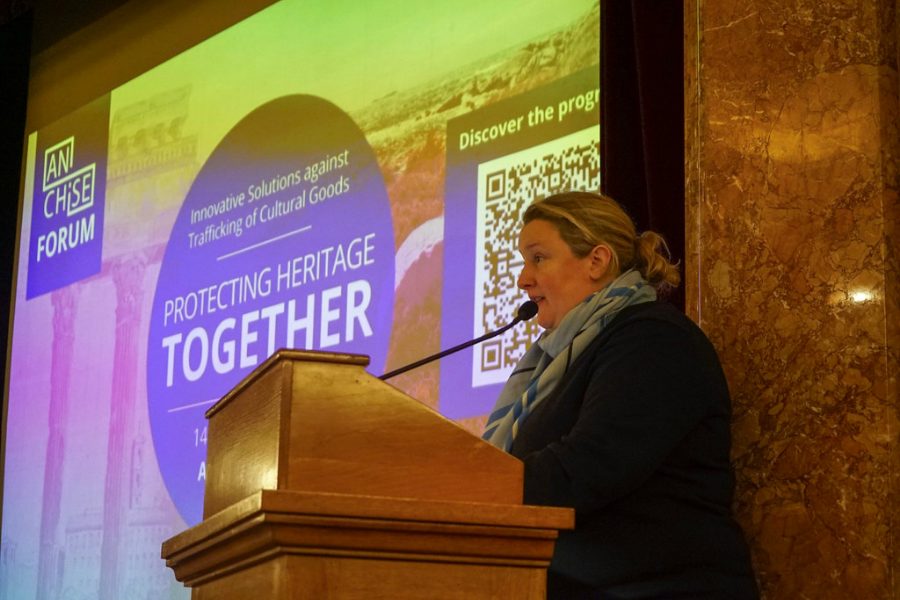
At the opening of the Forum, Elisabeth Bargue (ICOM Greece) delivered an introductory speech, highlighting the committee’s participation in ANCHISE as a continuation of its commitment to combat the illicit trafficking of cultural property. She also mentioned the recent publication of the ICOM Red List of Greek Cultural Objects at Risk (2025) as part of the ICOM Greece’s constant efforts in this field.
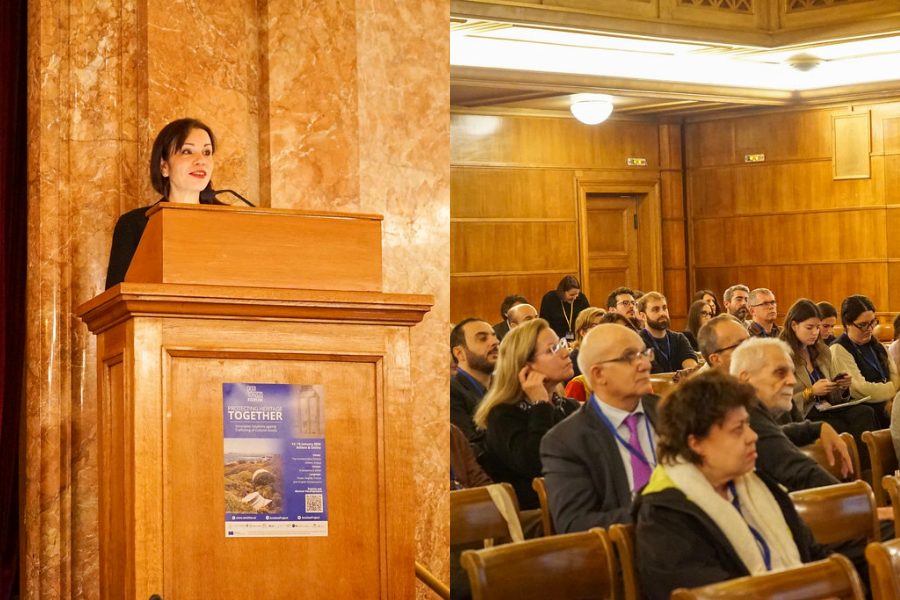
Reflecting on the experience, she underlined that:
“ANCHISE’s activities have highlighted the importance of interdisciplinary collaboration and continuous feedback, confirming ICOM’s role as a catalyst between technological research and museological practice. It is therefore with great pride that ICOM Greece participated in this important project.” – Elisabeth Bargue, member of ICOM Greece
Interdisciplinary dialogue at the heart of ANCHISE
During the opening “Setting the Scene” session, Sophie Delepierre, Head of the Heritage Protection Department (ICOM Secretariat), alongside Marine Lechenault (École Nationale Supérieure de la Police) and Benjamin Omer (École française d’Athènes), offered complementary insights into the project. Sophie Delepierre recalled ICOM’s longstanding engagement in the fight against the illicit trafficking of cultural property and stressed the importance of interdisciplinary collaboration, particularly between museum professionals and law enforcement agencies. Drawing on the experience of the ANCHISE demonstrations, she emphasised that the project represented a pioneering step in the engagement of ICOM and museum professionals in testing and developing technological tools. Such involvement enabled meaningful dialogue and feedback between museums, technology developers, law enforcement bodies, and archaeologists.
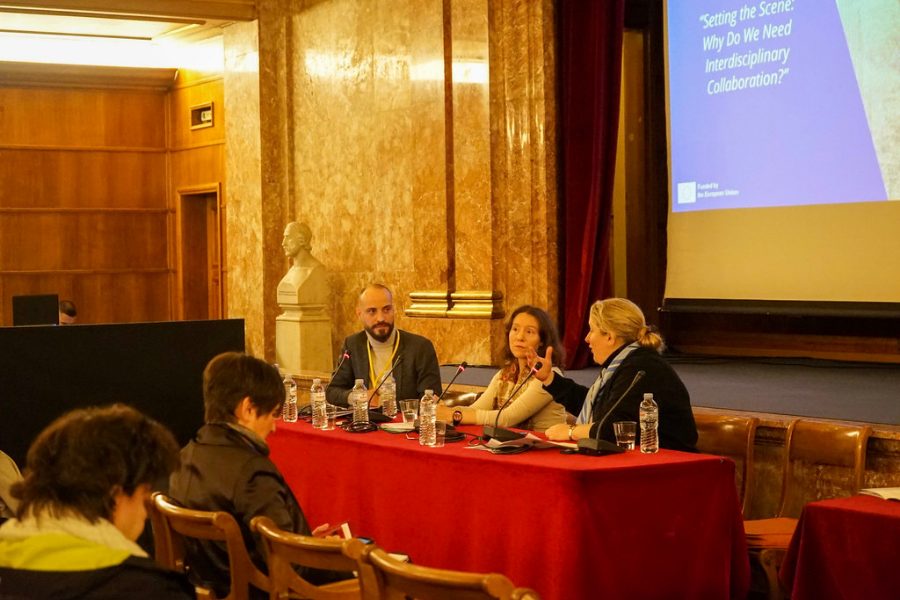
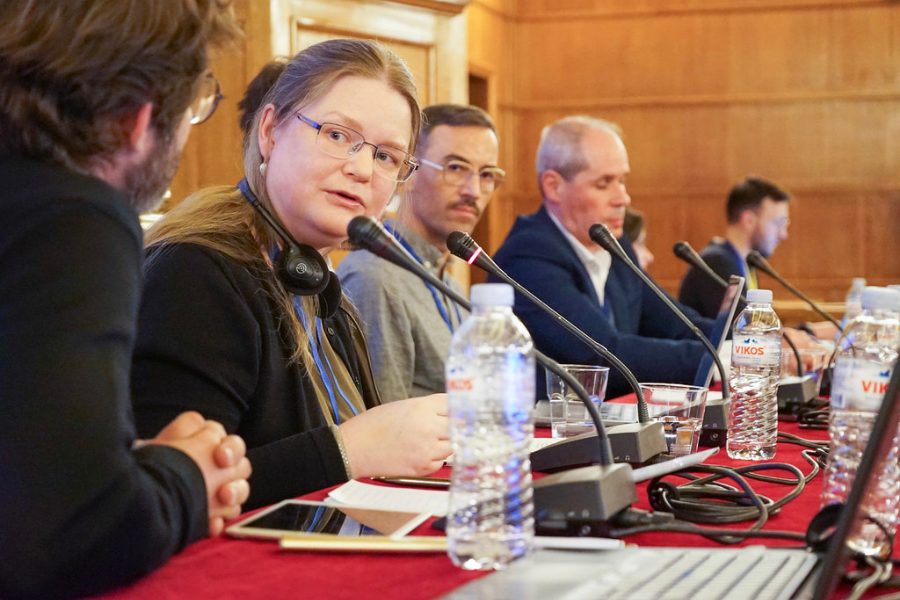
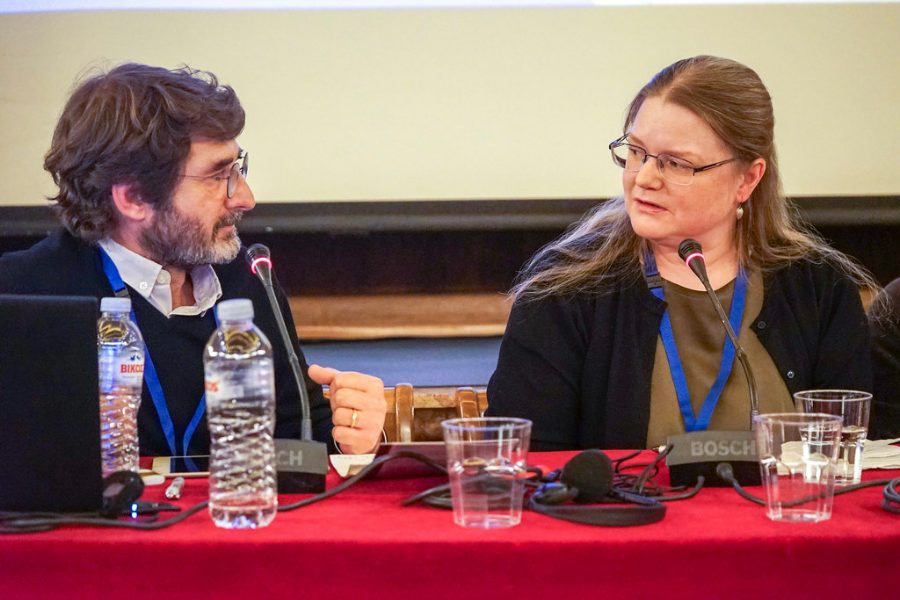
The perspective of museum users was further represented during the roundtable “The Users’ Experience: Feedback and Needs”, moderated by Prof. Olivier Henry (Université Lyon 2). Maria Dahlström (ICOM Sweden), who was involved in each of the ANCHISE demonstrations and hosted the second demonstration in Sweden, emphasised the need for more targeted and practical training opportunities for museum professionals to strengthen their capacity to address illicit trafficking.
Drawing on her experience as a member of the ANCHISE users’ board and as host of the Swedish demonstration, Maria Dahlström stressed:
“For the past three years, I have been a member of the ANCHISE User Board, invited through my membership in ICOM. In this capacity, I have contributed to the development of tools that are needed to address the illicit trafficking of cultural goods. From ICOM’s point of view, international cooperation and practical, shared tools are key to protecting cultural heritage. Recent regulations, action plans, and collaborative projects like ANCHISE have created a solid starting point.” – Maria Dahlström, curator at the National Museums of World Culture and member of ICOM Sweden
Museum demonstrations as spaces of cooperation and mutual learning
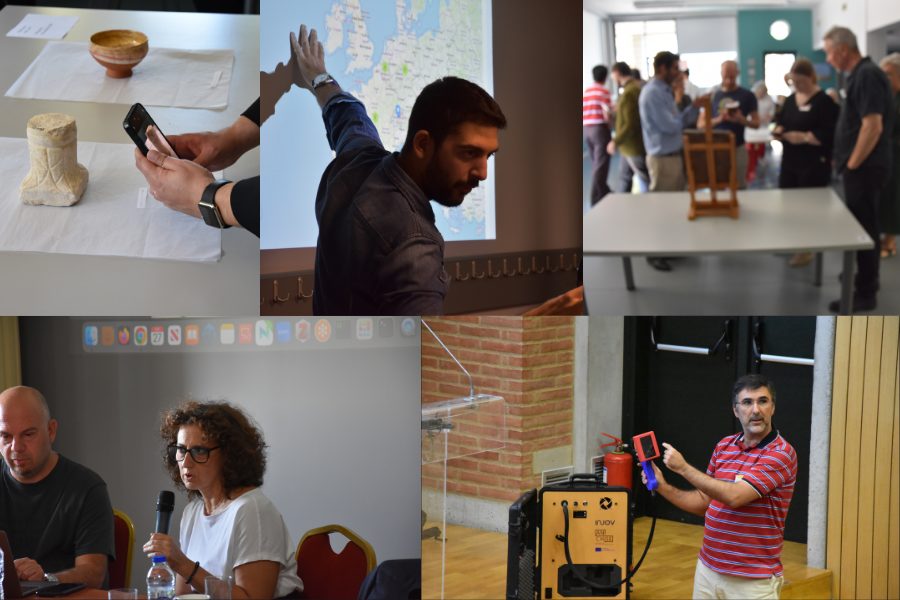
A central part of ICOM’s involvement in ANCHISE was coordinating the implementation of demonstration of ANCHISE tools in museum settings, to provide an opportunity to test technological tools and gather structured feedback from museum professionals.
As a result, over the project, three demonstration sessions for museum professionals were organised across Europe, in the following institutions:
- The Museum of Byzantine Culture in Thessaloniki (Greece) – September 2024
- The Museum of Ethnography in Stockholm (Sweden) – April 2025
- The National Museum of Bosnia and Herzegovina (BiH) – September 2025
The tools presented to museum professionals varied throughout the three demonstration sessions, reflecting the sectoral focus of each event.
In Thessaloniki, which gathered all the professional communities of the project, the full range of six ANCHISE tools was presented:
- The ICONEM Monitoring Toolbox, a multimodal GIS for archaeological site monitoring
- KIKu-Mon (Fraunhofer), for automated monitoring of stolen cultural objects on online sales platforms
- Arte-Fact (PARCS), a mobile application for rapid cultural object identification via image recognition and typological comparison
- GUARDIAN-CH (CYI), a shared database built on the digital twin concept and CIDOC CRM standards, serving as the interoperability layer between the ANCHISE tools
- ART-CH (ICCS), a semantic analysis platform combining NLP, pattern recognition and graph-based visualisation for trafficking investigation
- SFS Spectroscopy (INOV), a portable fluorescence-based tool for non-destructive authentication of materials
The other two demonstrations were sector-specific, and therefore presented the tools specifically dedicated to museum professionals. In Stockholm, three tools were demonstrated (Arte-Fact, KIKu-Mon and GUARDIAN-CH) focusing on object identification and collection protection. In Sarajevo, a fourth tool, ART-CH, was added, extending the scope to data analysis and trafficking investigation support.
These three events brought together a diverse range of museum contexts, differing in governance, size, collections, and levels of digitisation. They included local, national, and international participants. The demonstrations were a cooperative effort with the ANCHISE partners, particularly the tech developers. The involvement of museum professionals was assured through the respective ICOM national committees.
Demo 1 – Thessaloniki, September 2024
Demo 2 – Stockholm, April 2025
Demo 3 – Sarajevo, September 2025
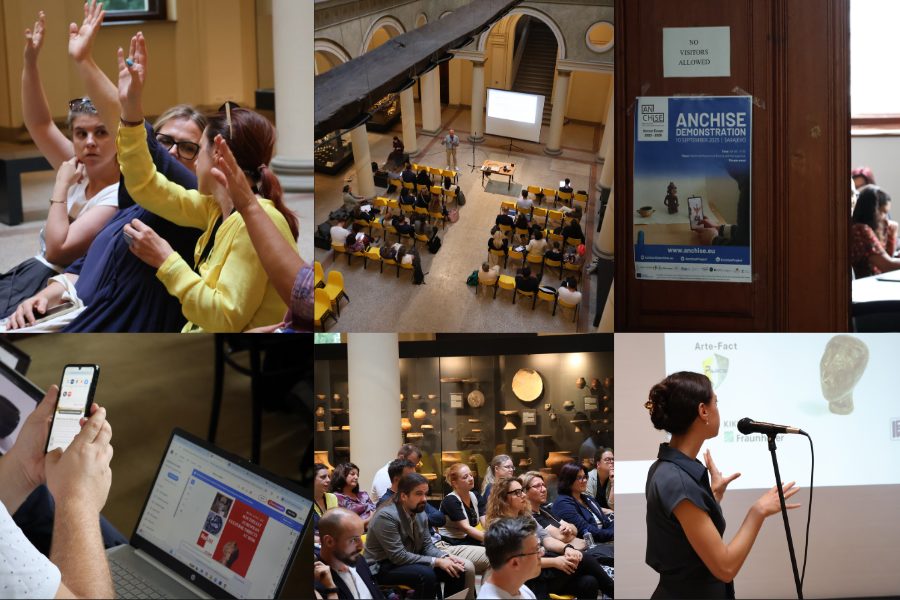
More than 60 museum professionals participated, testing the tools with real data and near-operational scenarios, and providing structured feedback that directly shaped their development. Beyond the technological aspect, these events strengthened professional networks across the ICOM community, fostering collaboration between national committees, museum professionals, and other heritage protection actors, and creating lasting spaces for mutual learning.
In that sense, ANCHISE was not only an opportunity to discover and test cutting-edge tools conceived for the fight against illicit trafficking of cultural goods, but also a cooperative experience, both interdisciplinary and between museum professionals, inside the ICOM network. This was clearly expressed by the project participants, as highlighted in the following quote from Alma Leka (former chair of ICOM BiH and vice-chair of ICOM SEE), who participated in all the ANCHISE demonstrations and facilitated the hosting of the third one in Sarajevo:
“From the perspective of ICOM BiH, in a country with limited resources and underdeveloped registries, ANCHISE represented an opportunity to test innovative tools for identifying, tracking, and documenting cultural goods. It also strengthened the network of museum professionals and fostered a sense of collective responsibility in the fight against the illicit trafficking of cultural property.” – Alma Leka, former chair of ICOM BiH – Vice-chair of ICOM SEE.
In this regard, questions related to data management, central to the ANCHISE project were addressed during the Forum. In her keynote, Sophie Delepierre highlighted how ANCHISE has demonstrated the potential of technological innovation to support heritage protection, while stressing that the effectiveness of any digital solution ultimately depends on the active involvement of museums and access to data. She underlined the importance of updated inventories and comprehensive collection documentation as a priority not only for digitisation efforts, but more broadly for heritage protection strategies.
Outreach, publications and legacy
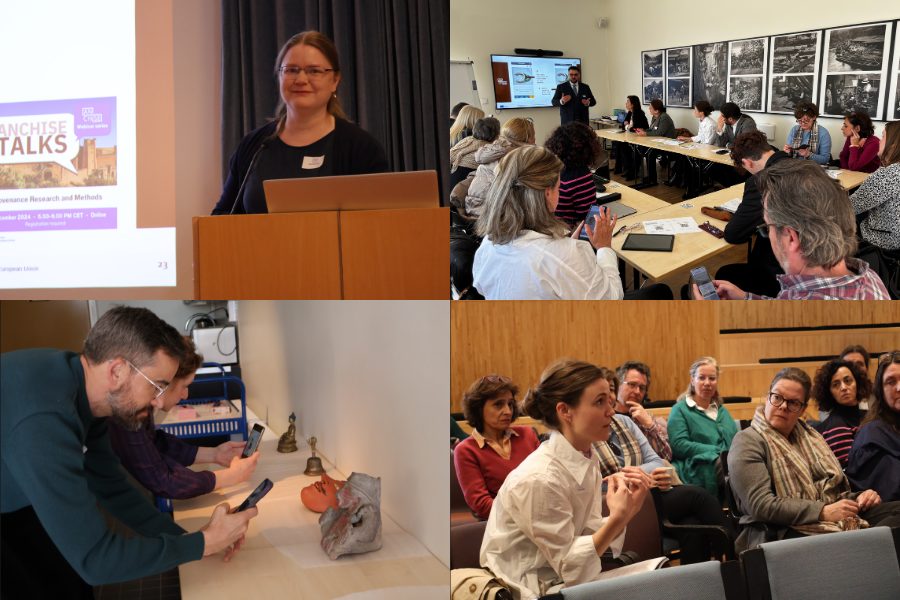
In parallel to practical implementation, research, education, and communication were also crucial components of ANCHISE, and here again, ICOM brought the museum perspective to these activities. This included the participation in outreach initiatives such as the ANCHISE Talks webinar series, with the moderation of a session on provenance research, a theme that resonates in ICOM’s work for heritage protection (upcoming volumes of Museum International on this topic). ICOM also participated in different symposia, forums and related events ensuring that the perspectives of museum professionals were consistently represented. Further to the participation in these events, ICOM also contributed to publications and coordinated the conception of adaptable learning modules on the fight against illicit trafficking of cultural property. Designed for diverse professional audiences, these curricula guidelines are the result of a collective and interdisciplinary cooperation inside ANCHISE. This was also highlighted during the Final Forum as a sustainable outcome of the project.
Strengthening professional practices for long-term heritage protection
The Forum’s final day placed a strong emphasis on the sustainability of project outcomes. Within the discussions on sustainability, Benjamin Omer (École française d’Athènes) and Marco Fiore (Michael Culture Association) presented the proposal of a European Interdisciplinary Competence Centre for Cultural Heritage Protection.
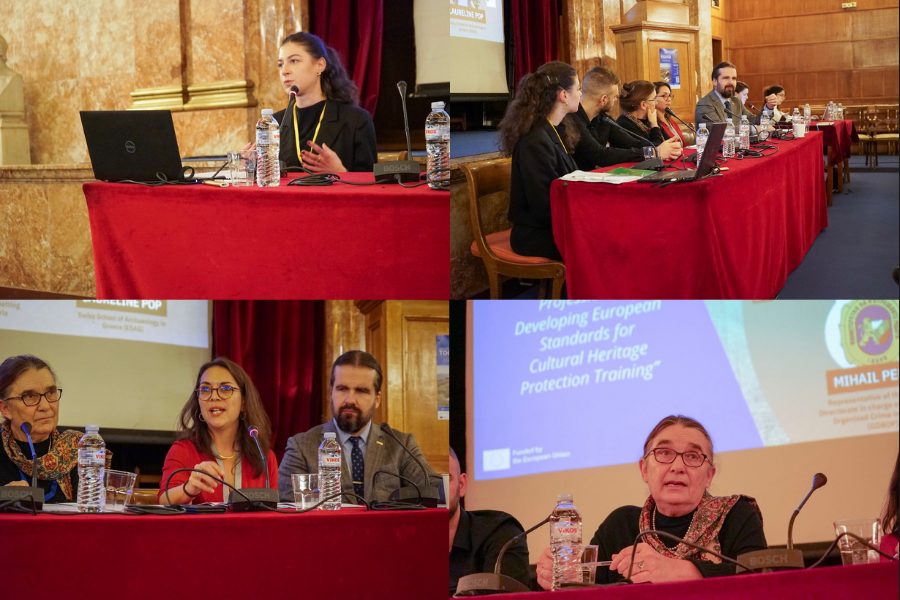
Subsequently, Hélène Ventimiglia, coordinator of the ANCHISE project at ICOM moderated the roundtable “Training Professionals: Developing European Standards for Cultural Heritage Protection Training”, bringing together an interdisciplinary panel of participants. The discussion provided an opportunity to reflect on the curriculum guidelines developed within ANCHISE – a task coordinated by ICOM – and to highlight training as a cornerstone of effective and long-term cultural heritage protection.
Beyond the project: cooperation as ANCHISE’s lasting legacy
Throughout the project, museum professionals, law enforcement agents, archaeologists, and tech developers learned from each other, fostering trust and building structures to support coordinated responses to illicit trafficking across countries and disciplines. ICOM’s presence ensured that museum voices resonated alongside those of other professional communities involved in heritage protection and policymakers, leaving a legacy of collaboration and professional practice.
This legacy of cooperation and professional exchange is also reflected in the testimonies of ICOM members from different national contexts, who emphasised the long-term value of ANCHISE for both the network and professional practice.
As highlighted by Eldira Andoni (ICOM Albania), participation in ANCHISE strengthened international cooperation while reinforcing exchanges within the ICOM network:
“ICOM Albania greatly valued its participation in ANCHISE, which fostered stronger international cooperation, reinforced professional exchange within the ICOM network, and supported the integration of technological innovation in heritage protection practices.” – Eldira Andoni, member of ICOM Albania
From another national perspective, Linda Lundberg (ICOM Sweden) underlined how ANCHISE illustrated the concrete contribution of ICOM’s expertise to innovative and interdisciplinary solutions:
“From an ICOM Sweden perspective, ANCHISE has demonstrated how ICOM’s network and expertise can contribute to develop concrete, innovative tools in the fight against illicit trafficking of cultural heritage. I believe that the interdisciplinary approach adopted by the project is a successful model for addressing the problem of illicit trafficking, and ICOM Sweden is grateful to have been a part of it.” – Linda Lundberg, member of ICOM Sweden
To go further:
ANCHISE in some figures:
- A Horizon Europe project
- 3 years of implementation (2023–2026)
- 15 partner organisations from 7 countries across Europe
- 6 technological tools for the fight against the illicit trafficking of cultural property
- 9 Demos of the ANCHISE tools – including 3 dedicated to museum professionals
- 2 Workshops on the fight against illicit trafficking
- 2 Thematic symposiums
- 2 International forums
- A series of webinars: the ANCHISE Talks
- A series of publications and deliverables
- The production of curricula guidelines – coordinated by ICOM
- More than 160 people involved across 12 countries