
Sakshi Jain
Erasmus Mundus Scholar and Former Assistant Curator at MSMS II Museum
Museums have no borders,
they have a network
August 7, 2025
Sakshi Jain
Erasmus Mundus Scholar and Former Assistant Curator at MSMS II Museum
Keywords: youth engagement, museum education, digital outreach, intangible and tangible heritage, workshops
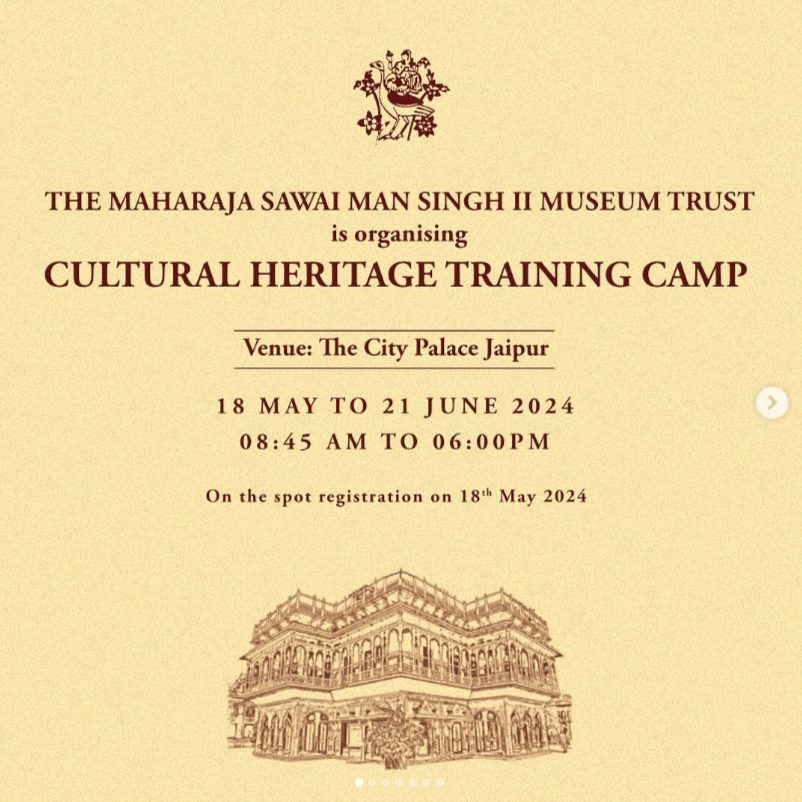
Fig. 1. Camp Poster for 2024 © MSMS II Museum
The Origin of the Programme: From ‘Gunijankhana’ to Cultural Camp
The MSMS II Museum boasts a rich legacy of promoting art and culture, tracing its origins back to the ‘Gunijankhana’, an initiative by Maharaja Sawai Ram Singh II in the mid-nineteenth century. Back then, the Gunijankhana was a vibrant hub where artists specialising in performing arts such as music, dance and theatre honed their crafts under royal patronage, fostering a cultural renaissance in Jaipur.
This legacy lives on today through the ‘Friends of Museum’ initiative, an interactive gallery within the museum premises where local artisans and craftspeople demonstrate their skills. Visitors can engage with live demonstrations of traditional crafts, making their museum experience immersive while supporting artisans economically through the direct sale of their creations.
Building upon this foundation, the idea of an Annual Cultural Heritage Training Camp emerged, organised by the Maharaja Sawai Man Singh II Museum Trust in collaboration with Rangreet Art School and Saraswati Kala Kendra school. Initially envisioned as a collaborative experiment between the museum and local artisans, the camp has since evolved into one of India’s most impactful cultural programs, celebrating traditional art forms and inspiring a new generation to appreciate and preserve intangible heritage.
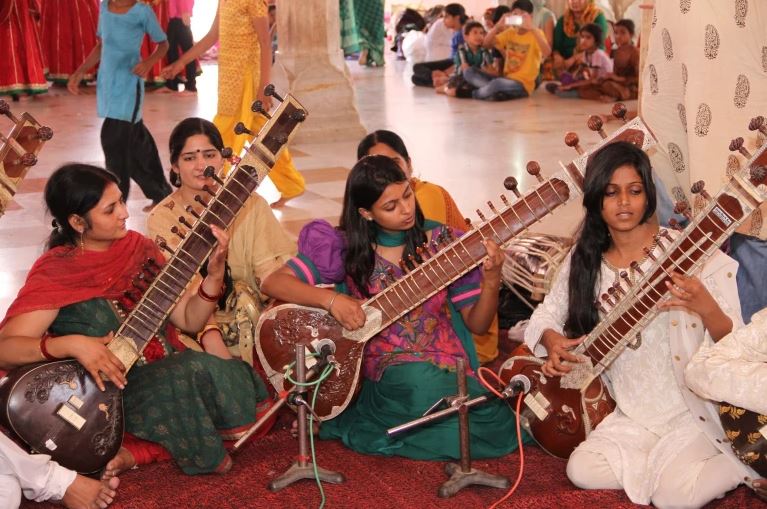
Fig. 2. Young women playing Sitar Vadan, a skill they learned during the 2013 Summer Camp. © JaipurBeat.
Workshops over the years have centred around photography, theatre, musical instruments like the Pakhwaj and Sitar, and traditional arts such as Dhrupad singing, Kathak dance, Miniature Painting, Mandana art, and decorative calligraphy (known as ‘Su Lekhan’). The programme became even more diverse in 2023 with the addition of an introduction to Rajasthani Fresco (‘Aaraish’) and Jaipur Blue Pottery. All these activities take place in the iconic Sarvato Bhadra Courtyard, and end with a lively closing ceremony where participants showcase their skills and receive certificates as mementos of their enriching experience.
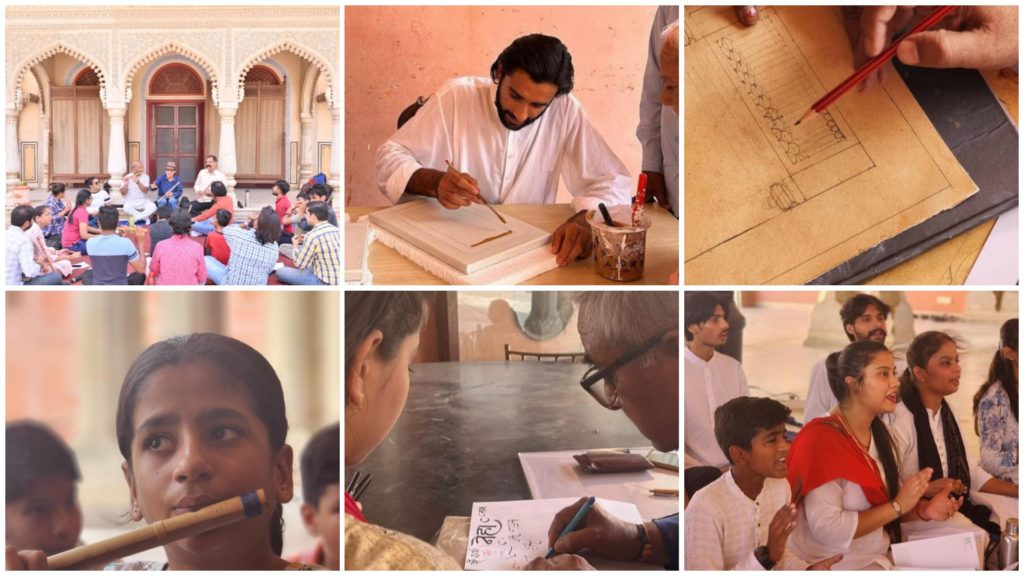
Fig. 3. His Highness Maharaja Sawai Padmanabh Singh with participants at the 2024 camp workshops on visual and performing arts. © MSMS II Museum Trust
The camp is strategically held during the summer break in May and June, despite the challenging heat of up to 50° C, to maximise participation among schoolchildren. This timing aligns with academic calendars, ensuring robust engagement from younger demographics.
Participation costs are kept minimal to eliminate financial barriers; initially priced at 200 Rupees per course (approx. 3 Euros), the fee gradually increased to 500 Rupees (approx. 6 Euros) in 2024. The programme has seen a growing trend of higher female participation over the years, reflecting its inclusive appeal and the increasing involvement of women in cultural preservation. The camp has grown into a dynamic platform for youth engagement, reflecting the museum’s vision to bridge the gap between traditional heritage and modern audiences in a developing nation where museum education is still evolving.
The 2024 Edition: Expanding Scope and Impact
The 2024 edition of the Annual Cultural Heritage Training Camp marked a significant expansion in its scope, embracing digital media to amplify its impact, as discussed later. Inaugurated on International Museum Day (18 May 2024) by His Highness Maharaja Sawai Padmanabh Singh, the camp centred around the theme ‘Museums for Education and Research’. The Maharaja emphasised the importance of introducing younger generations to India’s rich cultural heritage, expressing his vision to extend the one-month camp into a six-month or year-long programme.
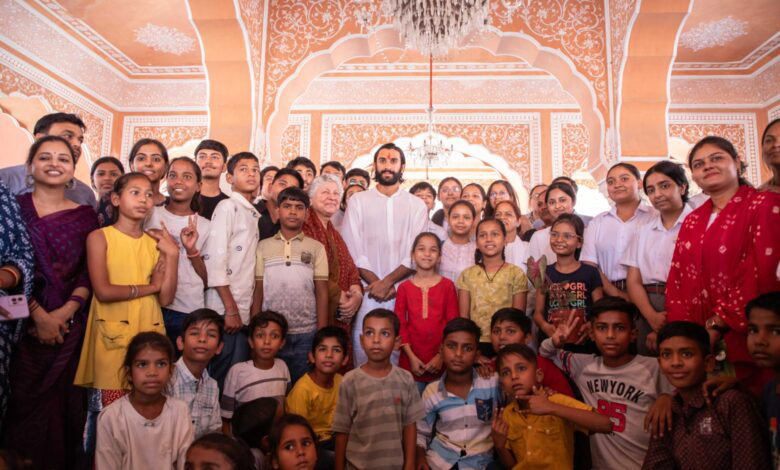
Fig. 4. Inauguration Day of the 2024 summer camp with His Highness Maharaja Sawai Padmanabh Singh at the centre and participants around him. © MSMS II Museum Trust
The 2024 camp welcomed over 300 participants, reflecting its growing popularity and influence. Moreover, students from The Palace School joined children from the Naya Sawera Shelter Home for a tour of the museum and palace complex, fostering engagement during the camp’s inauguration. Workshops offered a mix of traditional and contemporary learning experiences, including ‘Su Lekhan’ Calligraphy, Rajasthani Miniature Painting, Kathak and Folk Dance, Araish (Rajasthani Fresco), Flute, and Dhrupad (classical music). The camp broke new ground by incorporating Vedic Astrology[1] into its offering, paired with an immersive tour of Jantar Mantar, Jaipur’s eighteenth-century astronomical heritage site built by Maharaja Jai Singh II to observe celestial phenomena with precision.
Social Media: Amplifying Heritage Outreach
Digital media has been instrumental in amplifying the camp’s outreach and success. Platforms like Instagram and Facebook, managed by the Royal Family of Jaipur, MSMS II Museum, and programme partners such as Rangreet Art School and Saraswati Kala Kendra, have significantly enhanced its global visibility. The young Maharaja, a renowned polo player and cultural ambassador, further leveraged his popularity to spotlight the event. Notably, a 2023 post on the ‘Royals of Jaipur’ Instagram page garnered over 10,000 likes and 100 comments, while related Facebook posts attracted more than 2,500 views and 90 comments. In 2024, Rangreet Art School’s Instagram posts received over 800 likes, and MSMS II Museum’s reels exceeded 77,000 views. Additionally, participants often share their camp achievements online, adding a personal touch and aligning the initiative with modern digital trends, making it both a celebration of heritage and a forward-looking cultural endeavour. This effective use of digital platforms highlights how intangible heritage can be successfully promoted in today’s world.
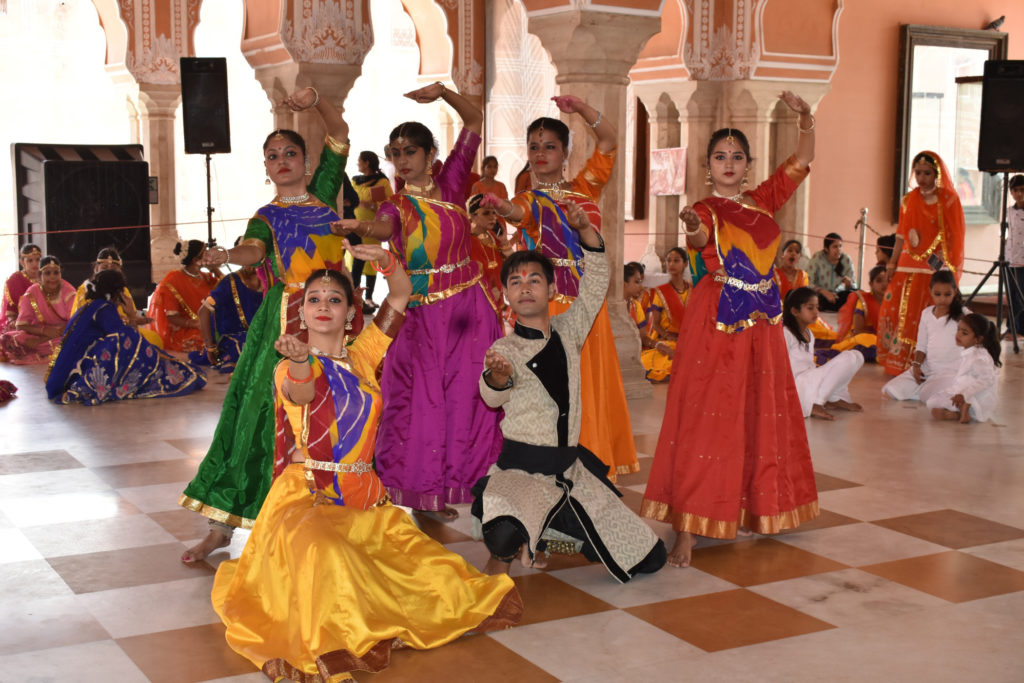
Fig. 5. Closing ceremony of the month-long camp. © MSMS II Museum Trust
Conclusion
In conclusion, the Annual Cultural Heritage Training Camp at the MSMS II Museum continues to shine as a transformative initiative, offering children an immersive learning experience at a nominal fee. Feedback from participants has highlighted how much they gained within just a month, reinforcing the camp’s success in fostering cultural appreciation and skill development. The 2024 edition notably expanded its reach through digital outreach and diverse workshops, but future editions could address logistical challenges, such as the summer heat, and focus on extending the program’s duration, increasing accessibility through scholarships, and incorporating advanced workshops for returning participants.
By seamlessly blending traditional arts with modern outreach, the MSMS II Museum’s Cultural Heritage Training Camp stands as a beacon of innovative museum education.
[1] Vedic astrology, or Jyotish Shastra, is an ancient Indian astronomical and astrological system that interprets the influence of celestial bodies on human affairs. It uses the sidereal zodiac, planetary periods (dashas), and divisional charts to predict destiny and guide decision-making.