
Franck Kemayou
Graduate in cultural heritage management and history of civilisations, archivist at the National Archives of Cameroon
Museums have no borders,
they have a network
October 9, 2025
Franck Kemayou
Graduate in cultural heritage management and history of civilisations, archivist at the National Archives of Cameroon
Keywords: youth, cultural heritage, Cameroon, new technologies, educational holidays
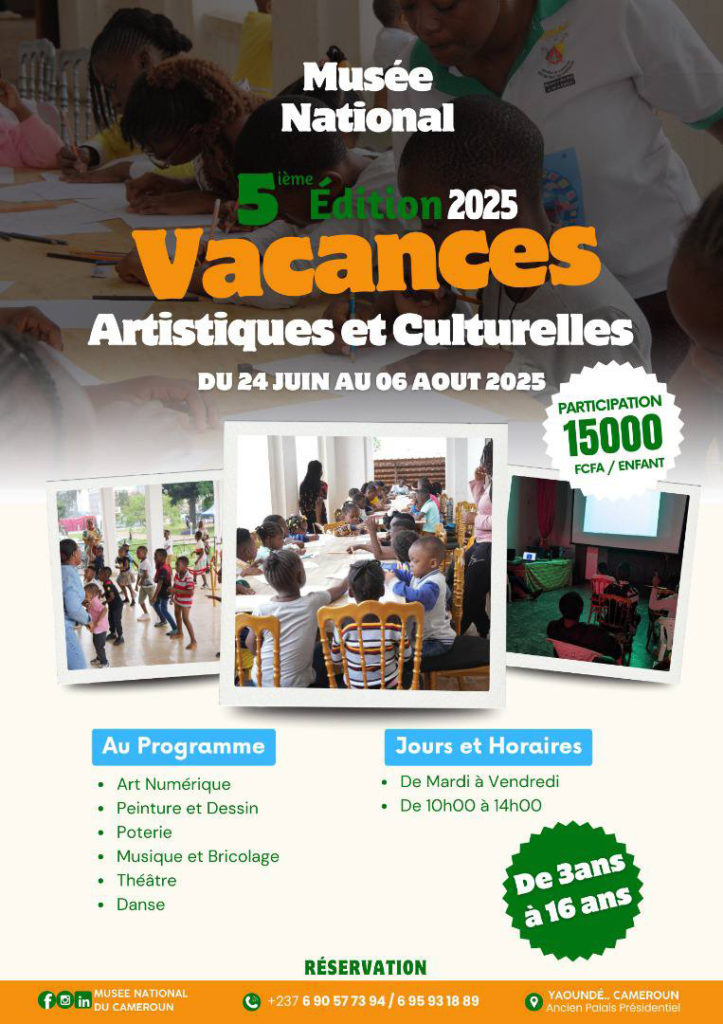
In 2020, the National Museum of Cameroon launched an educational holiday programme called ‘Useful Holidays’ [Vacances Utiles]) for children aged 3 to 16 with the aim of sparking young people’s curiosity about Cameroon’s tangible and intangible cultural heritage through creative workshops, guided tours and interactive games.
A unique setting for promoting cultural awareness
The National Museum of Cameroon is a symbol of national unity and plays an important role in promoting and preserving cultural heritage. Since 2020, at each annual edition of the ‘Useful Holidays’ programme, around 50 children aged 3 to 16 have been given the opportunity to discover the richness of their cultural heritage while also having fun. Organised during the school holidays from June to August, the programme combines learning and entertainment in a setting rich in history and heritage.
The museum, which reopened in 2015 after renovations, is not only a home for art but also a building steeped in history. Built in 1930 by French Commissioner Théodore Marchand, it originally served as the French Colonial Administration residence before becoming the country’s presidential palace. Today it houses collections representing the country’s four cultural areas (Grassfields, Sawa, Fang-Beti, and Sudano-Sahelian), solidifying Cameroon’s national identity.
Educational workshops that allow children to discover new talents
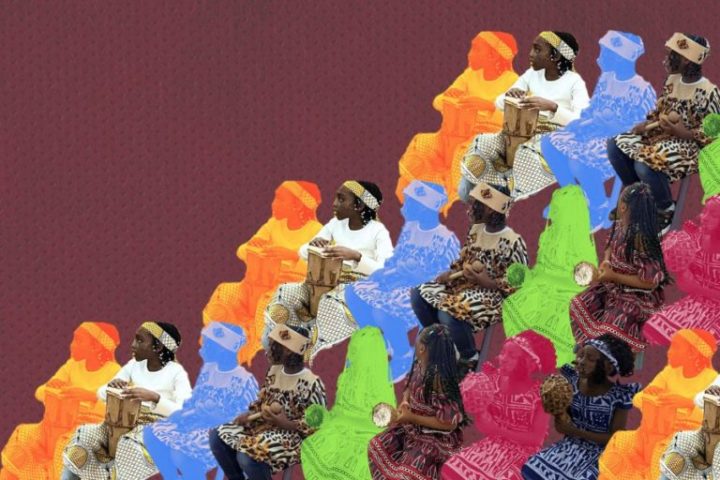
During the educational holiday programme, young participants engage in a variety of activities, from workshops on national languages to storytelling and theatre sessions, singing, dancing and drumming classes, and lessons in visual arts such as drawing and painting. Young participants also develop skills that will be useful in their daily lives, learning about the ‘art of living’ through cooking classes and discovering digital tools by using peripheral devices (keyboards and mice), operating systems and essential software (word processing and drawing tools). Supervised by specialised facilitators who work at the National Museum, the children are active participants who go on to become heritage ambassadors in their own communities.
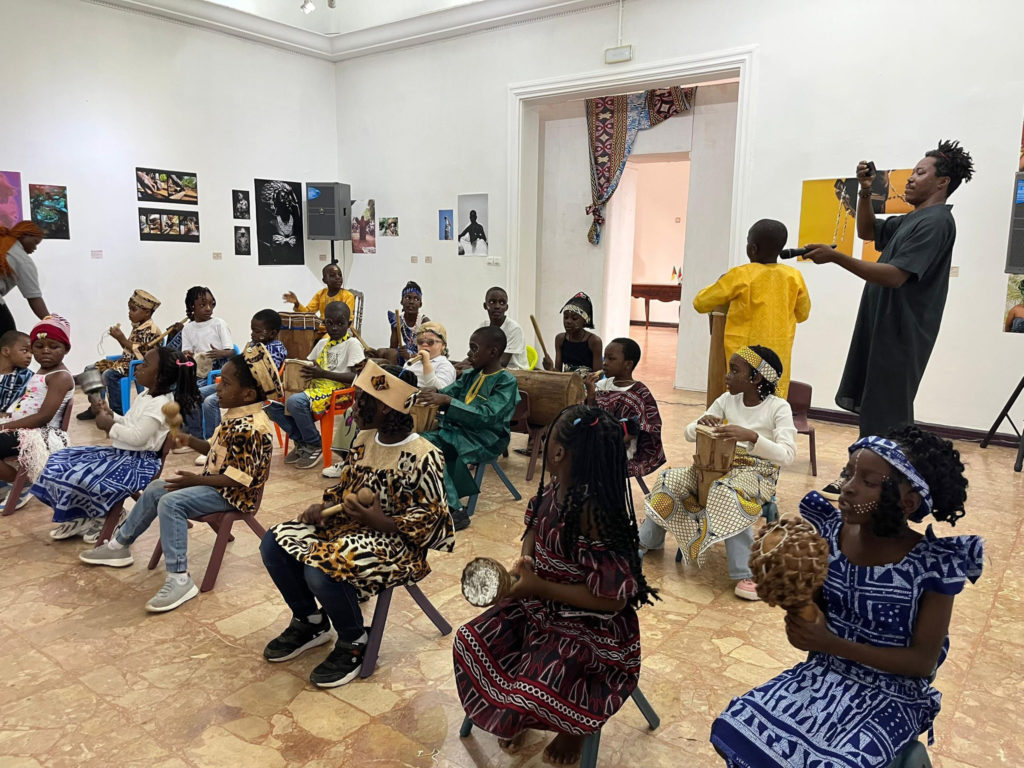
This educational approach brings Cameroon’s cultural heritage to life in the eyes of young people, making them active participants in their own learning. By combining digital tools with traditional knowledge and making the museum experience immersive and participatory, the educational holiday programme has established itself as an effective model of cultural mediation reflecting today’s needs and expectations. From 2020 to 2023, the programme had an average of 50 participants per year, most of whom were Cameroonian nationals. Irène Dondjina, who assisted with the overall coordination of the programme, noted that the 2024 edition was a great success and also attracted children of other nationalities: ‘I think 2024 was a huge success, because a total of 120 children took part, including those of French, Nigerian, Congolese and Comorian nationality.’ That success was undoubtedly the result of a promotional video that aired on television. The 2025 edition, for which no video was produced, did not receive the same media coverage and did not attract as many children.
Promotional video for the 2024 edition. © National Museum of Cameroon
The museum’s key role in passing on heritage
The National Museum of Cameroon has always played a key educational role, particularly among younger generations, by offering cultural mediation activities, educating children about Cameroon’s national identity and history, and promoting the country’s cultural heritage. The museum attracts school-age and university students eager to learn more about their history and culture, and annual visitor numbers are significantly on the rise. In 2023-2024, the museum welcomed more than 50,000 visitors, the majority of whom were primary and secondary school students, reflecting the importance of this space dedicated to education and passing on knowledge.
Museums offer an environment conducive to stimulating young minds and strengthening their sense of cultural belonging. Through the educational holiday programme, the National Museum is able to capture young people’s attention while introducing them to the arts and heritage conservation. ‘Thanks to the Useful Holidays programme, we are learning a lot of things we didn’t know about our culture’, said Romarica, a grade 7 student. ‘At the National Museum, we are taught how to play the balafon and dance to our traditional music, and we learn about our country’s history’, explained another participant, Roswelt, after a dance class.
Greater engagement through an introduction to new technologies
The integration of new technologies into the programme has been another key factor in its success. Children learn to use digital tools to create slideshows, drawings and stories as well as cameras to document and share their heritage experience. This use of contemporary technologies facilitates access to information while also making learning more dynamic and interactive. In this way, the museum is building a bridge between the past and the future, offering young people the opportunity to engage with intangible and tangible heritage using today’s tools.
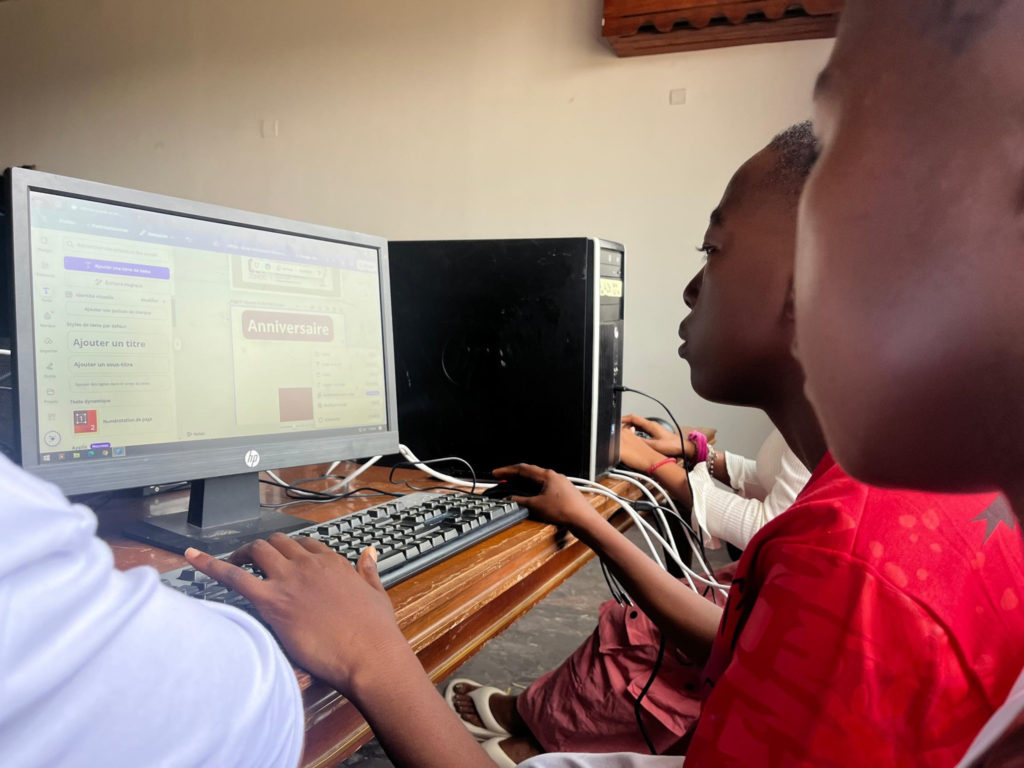
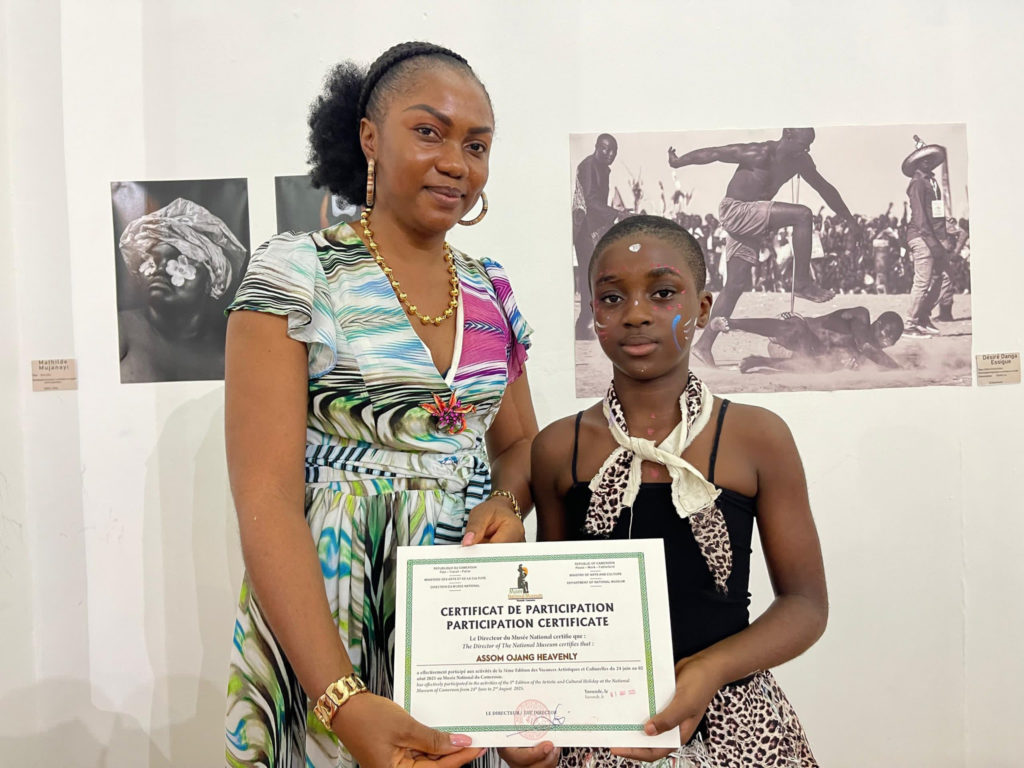
The museum’s programme has produced tangible results. Young participants are developing a greater interest in their culture and showing a clear desire to help preserve it. Not only are they learning about their heritage, but they are also being empowered to pass it on to future generations.
Conclusion
The Useful Holidays programme at the National Museum of Cameroon illustrates the crucial role museums play in educating young people and promoting cultural heritage. By combining tradition and modernity, the programme allows children to reclaim their history and become active cultural ambassadors. The programme’s success lies in its ability to build bridges between ancestral heritage and contemporary technologies while providing young people with a fun and enriching learning space.
It should be noted, however, that implementing such a programme is not without its challenges. The lack of a stable internet connection and reliable access to IT equipment (computers, tablets) is a major obstacle for children and the museum, particularly in the context of Cameroon. Developing activities that make effective use of digital tools to document and share the heritage experience also requires specific pedagogical training, which presents another challenge for the National Museum’s administration. The programme currently has no mechanisms to assess children’s progress, determine impact and gather feedback, which would make it possible to identify areas for improvement and continue to enrich the educational holiday programme in the future. While it is difficult to accurately evaluate the programme’s impact, it is clear that each edition has enhanced the influence of the National Museum of Cameroon and the passing on of local tangible and intangible cultural heritage to younger generations.