Conservation of museum collections
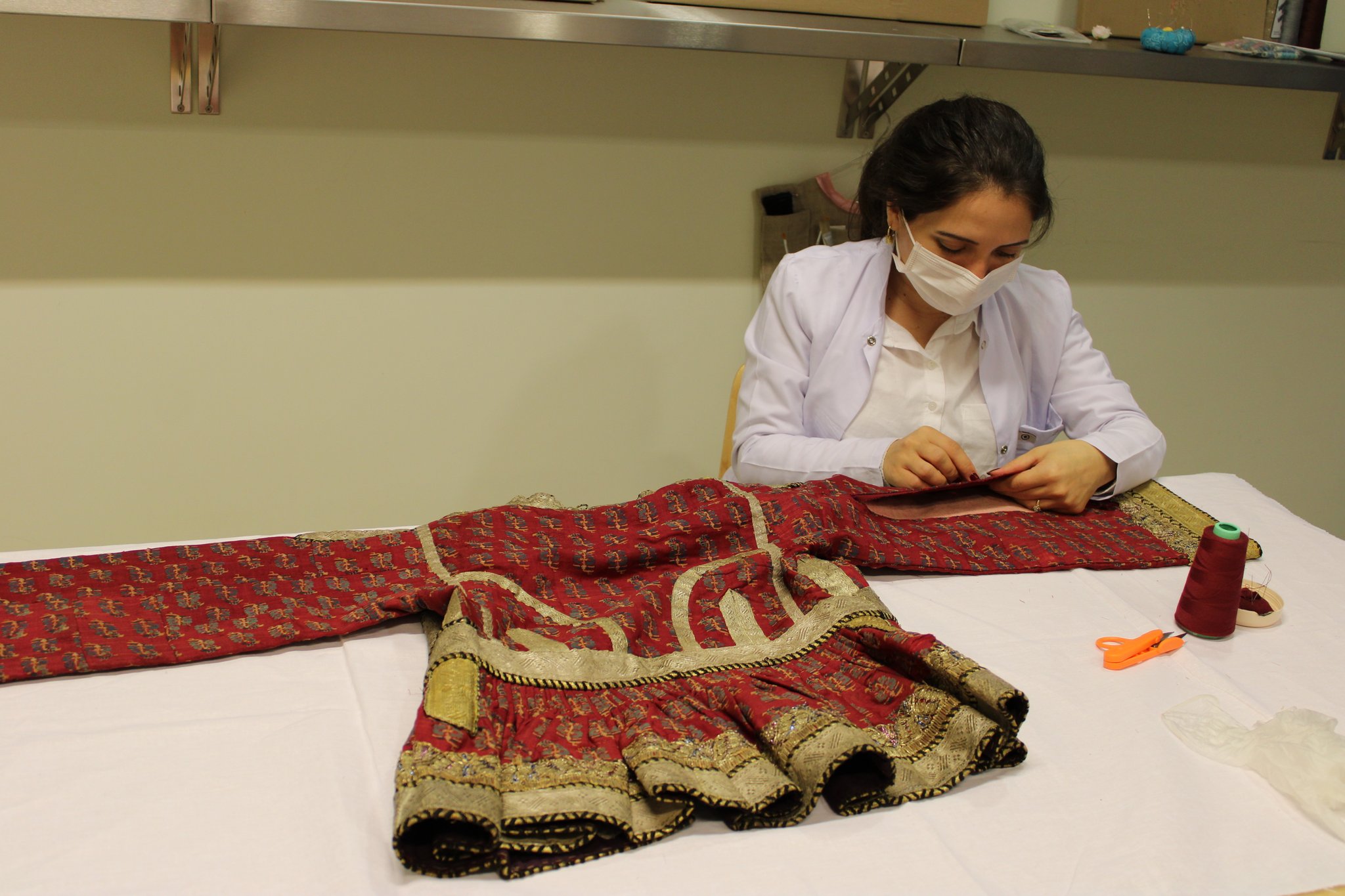
The COVID-19 pandemic is impacting the museum sector in ways that we cannot yet fully predict, especially as far as the economic losses are concerned. Right now, however, forced closings and the absence of most of the staff can already have serious impacts on the conservation and safety of the collections.
Without neglecting all the necessary measures to contain the spread of the disease, as well as those aimed at guaranteeing the safety of the population, museums cannot fail to fulfill their primary function of conserving the material and immaterial heritage of humanity.
Cultural institutions around the world are already showing great resilience and creativity in communicating with their publics remotely. To further help them during these uncertain times we prepared, with the help of the ICOM International Committee for Conservation (ICOM-CC), a series of “pandemic guidelines” on how to deal with conservation during the emergency, putting employee safety first:
Please note that these recommendations were written up on April 04, 2020 and updated on May 26, 2020. They take into account the guidelines about preventing the spread of COVID-19 that are continually being updated. Look to your local government and your institution and to WHO, for the most up-to-date guidance on safe behavior and procedures.
In general
1. Recommendations worldwide encourage public institutions to close down until the threat from corona virus is no longer an issue. Only essential staff should be in your institution. This may include security, engineering, and the occasional conservator or collections manager. For museums authorized to reopen in countries where the situation allows it, we have published some basic measures that can be taken to protect the health of both visitors and staff.
2. Prepare lists of staff/expertise who will be on regular duty and others who are available. Establish collaborations with nearby museums or similar institutions to make necessary staff replacement or arrangements in the case staff members of one museum get infected.
3. Research on the deterioration of the virus is under development, so the data are based on the results of previous human coronavirus research: the virus could lose most of its infectivity within six days and all of its infectivity within nine days at room temperature.
4. Undertake more frequent cleaning of areas where people have access on a daily basis.
5. Consider changing the filters in HVAC systems. Where HVAC systems are not installed, consider other type of regular controlled ventilation of collection and storage areas.
6. In the case of documented infections, quarantine the relevant area(s) for at least ten days.
In exhibitions
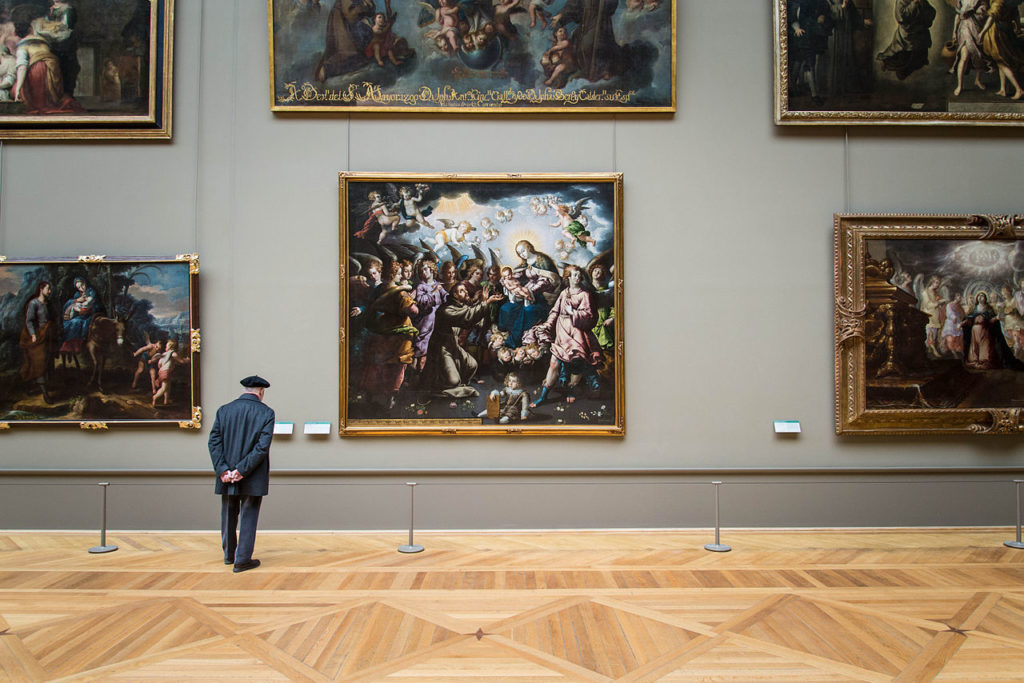
If your museum is preparing to reopen, we invite you to consult this news release. Concerning conservation measures in a context of reopening, please consider instituting the following:
- Organize a dusting of all rooms in the museum as well as a meticulous cleaning of all surfaces (display cases, door knobs, elevators, handrails, etc.) before opening to the public.
- Follow your usual instructions with respect to wet/dry cleaning but increase the cleaning frequency to at least once per day.
- For vitrines and similar surfaces, water, soap and disinfectant spray (i.e. 70% iso-propyl alcohol or ethanol) can be applied as long as they are not used on objects on display. Beware of certain materials and coatings that are susceptible to alcohol (Plexiglas, shellac varnishes etc).
- Ensure that the cleaning staff is trained. If possible, use staff that is already familiar with the collections and the appropriate cleaning procedures in the area.
- Objects on display must only be cleaned by trained conservators or trained collection professionals.
- Restrict access to facilities and spaces that cannot be cleaned or disinfected completely and/or after each use.
- As increased vigilance for the proper conservation of the works and security is necessary, it may be considered to adapt the number of security staff in the museum spaces.
In storage and work areas (without public access)
Even in the case of a reopening, the museum will operate under special conditions and with limited staff presence:
- Ensure that all staff has easy access to hand wash facilities with hot water and soap, disinfection gel, and disposable gloves.
- Ensure that only a limited number of people work in the same room and maintain a safe distance from one another. Generally, 1.5 – 2m is recommended as the distance between individuals.
- Larger groups of staff may divide up and work on alternate days to maintain safe distance from one another.
- Divide your staff in teams with only the same team members working together.
- Wash and disinfect hard surfaces, handles, door knobs, light switches, coffee-machines, and the like with great frequency.
- Masks, even homemade cloth masks, should be worn.
- Postpone as far as possible meetings, acquisition committees, group activities, , yards, assemblies or any other activity that would not be indispensable for the proper conservation of the works.
- Limit handling of collections, if possible.
- Consider extending your loans as long as the works are safe to avoid transport and handling. The presentation of the permanent collections will be given priority over temporary exhibitions until the health situation returns to normal.
- Museums should have a quarantine area for objects. This area should have empty shelves, cabinets, boxes, where invested objects with a minimum of touching/handling can be separated from the main collection, as well as an easy marking system indicating the dates, what, why and by whom the objects have been put in quarantine.